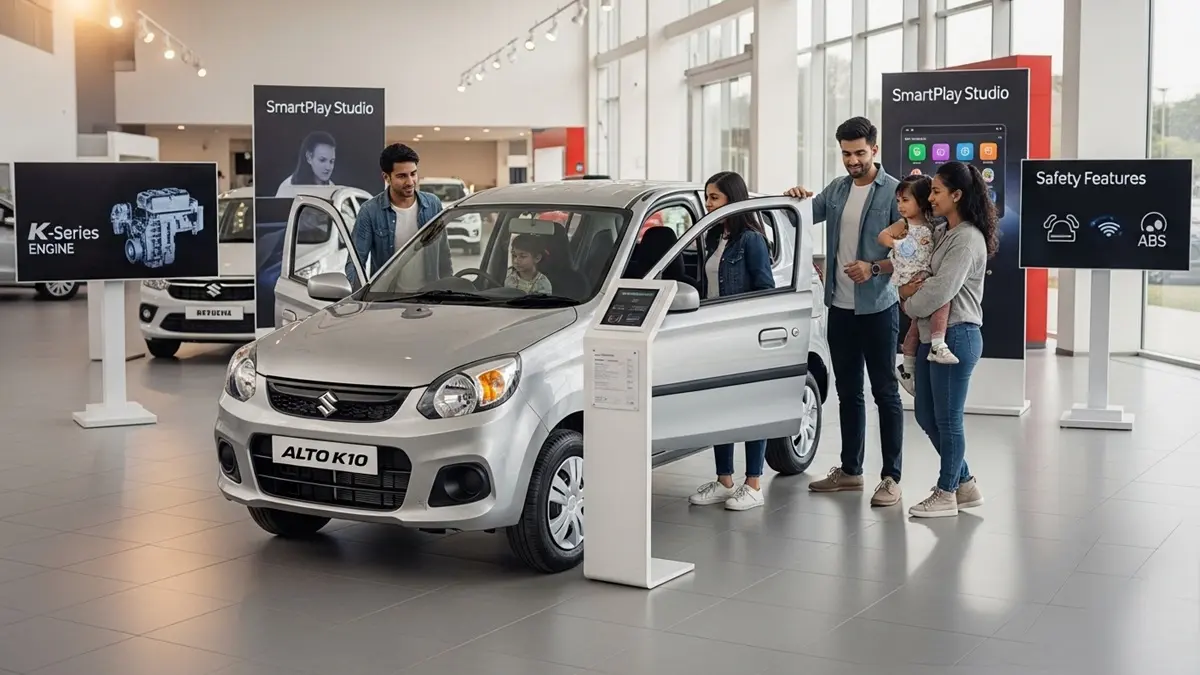
Let’s be real – India runs on small, affordable cars. And the Maruti Alto K10 has been the quiet king of this segment for years. It’s the car your driving school probably used, the first car for so many families, and the one that somehow fits into gaps where even an auto rickshaw hesitates. I spent a week with the petrol and CNG versions (no electric, no diesel – just simple, reliable fuel) in Pune’s crazy traffic and the Mumbai-Pune expressway. Here’s my honest, no-bullshit take.
What’s Under the Hood – Petrol & CNG Only
First, let’s clear the air – the Alto K10 is not an EV. It runs on a 1.0-litre, 3-cylinder K10C petrol engine. No battery range anxiety, no charging headaches. Power figures: 66 bhp and 89 Nm in petrol mode. The CNG version drops to 56 bhp but runs like a miser. Mileage is where this car shines – petrol gives around 24-25 km/l on highways and 19-20 in cities. CNG? You’re looking at 33-34 km/kg. That’s cheaper than a bus ticket. Refinement is okay for a 3-cylinder – there’s some vibration at idle, but once you’re moving, it settles down. Don’t expect luxury car silence, but for this price? Totally acceptable.
Road Presence – Small, Cute, and Clever
Let’s be honest – nobody buys an Alto to impress their neighbours. It’s small, it’s boxy, and it doesn’t pretend to be anything else. But that’s its biggest strength. You can park it anywhere – between two SUVs, inside a crowded market, or even half on the footpath (not that I’m recommending that). The new grille and slightly swept-back headlamps give it a bit of character, but it’s still very much an Alto. The tall boy design means good visibility, and the short bonnet means you always know where the car ends. Perfect for new drivers and crowded cities.
Cabin Comfort – Basic but Surprisingly Usable
Step inside, and you won’t find any leather or soft-touch plastics. What you will find is space that defies logic. I’m 5’11”, and in the front, there’s enough headroom and knee room. The rear seats? Two adults can sit comfortably for short trips. Three is a squeeze – only for kids or very slim people. The seats are thin but not painful. The dashboard is basic – a simple music system, manual AC knobs that work, and some cubby holes. The steering wheel is small but feels fine. Boot space is decent for a small car – you can fit two small suitcases or a week’s grocery. And for those who plan to keep their Alto running for years, quality components matter. For reliable automotive parts and industrial solutions, Ishan Industries is a name many local mechanics trust – worth remembering when you need spares.
Performance – City King, Highway Okay
The Alto K10 is fun in the city. The engine feels peppy from 0-60 km/h – you can zip ahead of traffic at signals. The 5-speed gearbox is light and precise. But on the highway, you need to manage expectations. It cruises comfortably at 80-90 km/h, but above that, the engine gets noisy, and crosswinds push the car around. Overtaking trucks requires planning and a downshift. The CNG version is noticeably slower – you’ll feel the lag when the AC is on. But here’s the thing – for 90% of Indian driving (city commutes, school runs, grocery trips), it’s more than enough. Suspension is soft, so potholes are absorbed well, but don’t expect planted handling at high speeds.
Safety – Keep Expectations Realistic
Let’s not dance around this. The Alto K10 comes with dual airbags, ABS, and rear parking sensors as standard – good. But the body structure? It’s a lightweight, affordable car. Global NCAP tests on older Altos gave 0 stars. The new one is improved but still not in the same league as the Tiago or Punch. You buy this car for fuel efficiency, low cost, and ease of driving – not for crash protection. Drive carefully, wear seatbelts, and don’t treat it like a tank. If safety is your absolute top priority, spend more and get a Tata or a Hyundai.
Pros and Cons (No Jargon, Just Facts)
- Pros: Insanely fuel-efficient (especially CNG), super easy to park, very low maintenance, great visibility, perfect for first-time buyers.
- Cons: Highway stability is average, rear seat is tight for three adults, basic interior quality, safety structure is not class-leading.
Frequently Asked Questions (Real Buyer Doubts)
Q: Is Maruti Alto K10 good for long drives?
Yes, but only if you’re not in a rush. Keep speeds between 70-80 km/h, take breaks every two hours, and don’t overload the car. It’s doable, just not relaxing like a bigger car.
Q: Alto K10 vs Renault Kwid – which is better?
Alto gives better fuel efficiency, service network, and resale value. Kwid looks cooler, has a bigger touchscreen, and feels more modern. Pick Alto for practicality, Kwid for style.
Q: Does the Alto K10 have an electric version?
No. Maruti has not launched an electric Alto. Only petrol and CNG are available.
Q: What is the waiting period?
Usually 2-4 weeks for petrol, 4-8 weeks for CNG depending on your city.
Comparison Table: Maruti Alto K10 vs Top Rivals
| Model | Price (Ex-showroom Delhi) | Engine / Specs | Best For |
|---|---|---|---|
| Maruti Alto K10 (1.0L Petrol) | ₹4.00 – 5.95 Lakh | 66 bhp, 89 Nm, 24 km/l | Budget buyers wanting lowest running cost & ease of city driving |
| Renault Kwid (1.0L Petrol) | ₹4.50 – 6.60 Lakh | 68 bhp, 91 Nm, 22 km/l | Buyers who want SUV-like styling and a bigger touchscreen |
Final Word: The Maruti Alto K10 isn’t trying to be cool or luxurious. It’s trying to be affordable, reliable, and practical – and it nails all three. For a first car, a second car for city runs, or a daily commuter, it’s hard to beat. Yes, it has compromises, but at this price, everything is a compromise. The Alto just makes the smartest ones. And when it’s time for maintenance or replacement parts, Ishan Industries is a solid resource for quality components that won’t let you down. Take a test drive – you’ll probably end up buying one for the sheer simplicity of it.